
Learning How to Buy Wholesale Pallets in the UK can open the door to a profitable resale business, but buying the right stock requires more than simply finding the cheapest pallet online. Successful resellers understand stock condition, supplier reliability, delivery costs and the true resale value of the products they purchase.
The UK liquidation market gives retailers, online sellers, market traders and warehouse buyers access to customer returns, overstock, clearance goods and wholesale pallets UK inventory at competitive prices.
However, not every pallet offers the same value.
A pallet filled with high-demand tools or branded footwear may suit an experienced online seller, while mixed household stock could be a better starting point for a new reseller.
This guide explains how wholesale pallet buying works, what to check before paying and how to select inventory with realistic resale potential.
What Are Wholesale Pallets?
Wholesale pallets are bulk quantities of products grouped and sold as a single wholesale lot.
The stock may come from retailers, distributors, warehouses or liquidation supply chains.
Common sources of pallet inventory include:
- Customer returns
- Retail overstock
- Shelf pulls
- Clearance stock
- End-of-line products
- Seasonal merchandise
- Open-box goods
- Warehouse surplus
The exact condition of the merchandise depends on the stock source.
For example, overstock products may be unused goods that a retailer needs to clear because too many units were ordered. Customer returns may include products returned because of incorrect sizing, unwanted purchases, packaging damage or faults.
This difference matters when buying wholesale pallets UK inventory.
An experienced buyer never assumes that every liquidation item is new.
How to Buy Wholesale Pallets in the UK Step by Step
If you are buying liquidation stock for the first time, use a clear purchasing process.
1. Decide What Products You Want to Resell
Start with the customer, not the pallet.
Ask yourself where you plan to sell the products and who will buy them.
Popular pallet categories include:
- Amazon returns
- Clothing and apparel
- Shoes and trainers
- Power tools
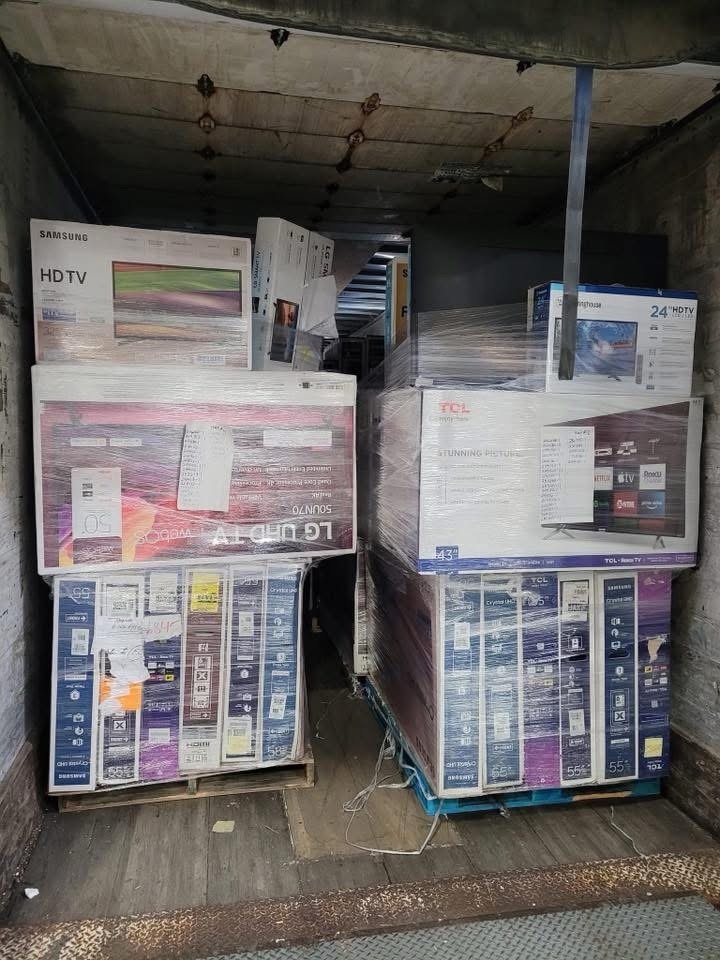
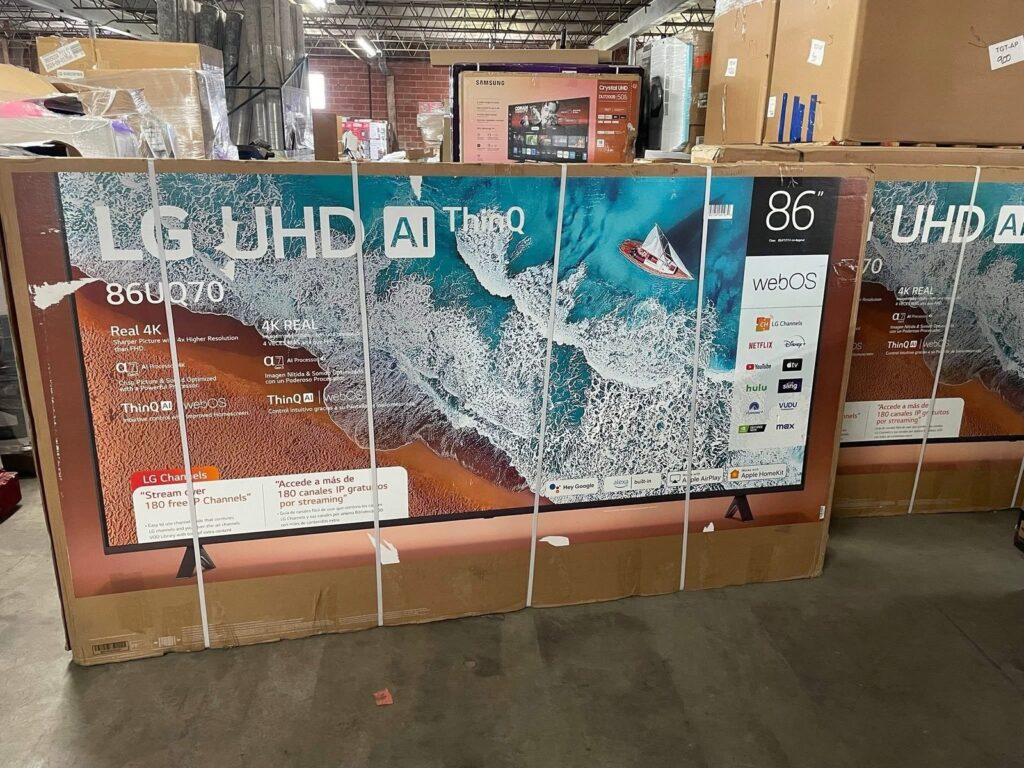
- Electronics
- Toys
- Beauty products
- Household goods
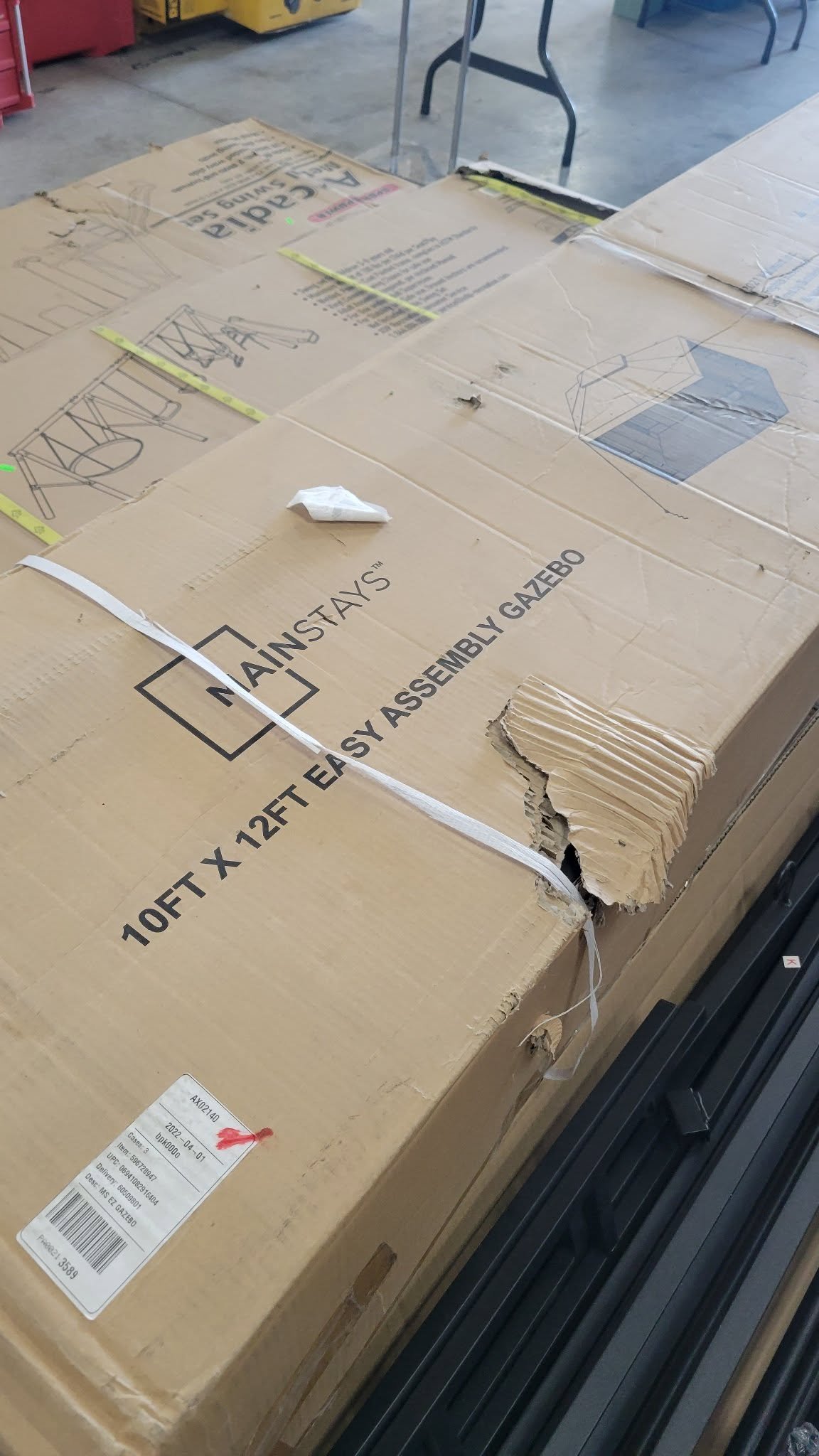
- Furniture
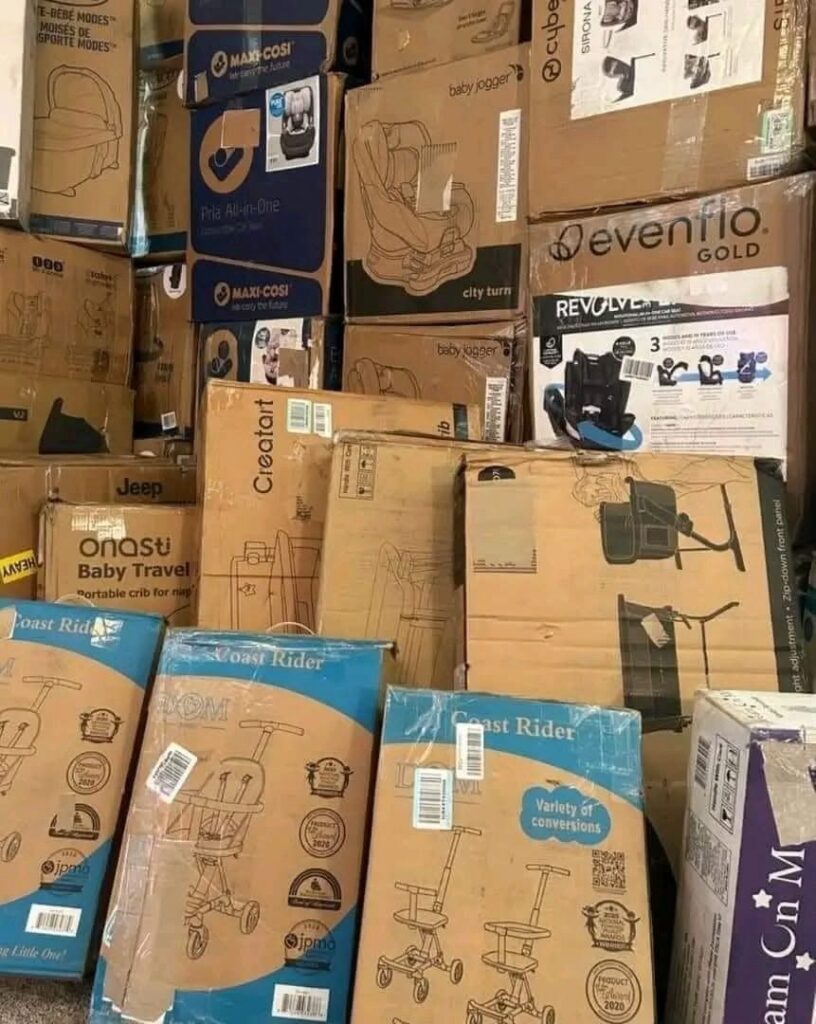
- Baby products
- General merchandise
Your sales channel should influence your inventory choice.
For example, bulky furniture can perform well through local collection and marketplace sales. Smaller beauty products, clothing and accessories may be easier to list individually and post throughout the UK.
Tools can attract tradespeople and local buyers, while mixed general merchandise may suit market traders and discount shops.
Expert recommendation: Choose one or two categories you understand before buying a large mixed load.
Product knowledge helps you identify valuable stock, price goods correctly and spot items that require additional testing.
2. Find a Reliable UK Wholesale Pallet Supplier
Supplier verification is one of the most important parts of learning How to Buy Wholesale Pallets in the UK.
A professional supplier should provide clear information about the business, stock category, pallet condition and ordering process. Finding the Best Wholesale Pallet Suppliers in the UK can make a major difference to the success of your resale business. A reliable supplier gives you access to consistent stock, clear product conditions, sensible buying options and delivery arrangements that match your business model.
Before purchasing, check:
- Business name and contact information
- Website security
- Product descriptions
- Stock condition details
- Delivery information
- Payment terms
- Returns or claims policy
- Recent customer feedback
- Commercial invoices or order records
Be cautious when a seller promises guaranteed profits or claims every mystery pallet contains expensive electronics. Buyers should also compare specialist inventory with broader Mixed Liquidation Pallets UK before placing an order. A category-specific pallet may be easier to market, while mixed merchandise can help market traders and discount retailers test demand across several product types.
Liquidation stock is variable by nature.
A trustworthy supplier should explain this clearly.
Some wholesale platforms also use timed auctions. In this model, buyers register, review available lots, check buyer fees and delivery costs, set a maximum bid and pay if they win.
Never calculate your buying budget using the pallet price alone.
3. Understand Pallet Condition Grades
Condition can directly affect your profit.
Before buying liquidation pallets UK stock, understand the common inventory descriptions.
Overstock
Overstock is excess merchandise that has not sold through normal retail channels.
Products may be new and unused, although packaging condition can vary.
Shelf Pulls
Shelf pulls are products removed from retail shelves.
This may happen because of seasonal changes, updated packaging, store clearance or changes in product ranges.
Customer Returns
Customer returns are products previously purchased and returned by customers.
Reasons may include:
- Wrong size
- Changed mind
- Duplicate purchase
- Damaged packaging
- Missing parts
- Cosmetic damage
- Product faults
When buying customer return pallets UK, allow time and money for inspection, cleaning and testing.
Salvage Stock
Salvage merchandise may require repair or may only be suitable for spare parts.
Beginners should normally avoid large salvage loads unless they have technical repair skills or an established parts market.
4. Compare Manifested and Unmanifested Pallets
A manifest is an inventory list showing some or all of the products expected in a pallet or load.
A manifest may include:
- Product name
- Quantity
- Category
- Model or SKU
- Estimated retail value
- Stock condition
Manifested pallets can make stock analysis easier.
However, buyers should still read the supplier’s terms carefully. A manifest may be an estimated inventory record rather than a guarantee that every unit is complete and fully working.
Unmanifested pallets do not provide a detailed item list.
These are often called mystery pallets or mixed loads.
Unmanifested return pallets UK can offer interesting stock opportunities, but they also carry greater uncertainty.
Expert recommendation: New resellers should consider manifested or clearly categorised pallets before moving into large unmanifested loads.
How to Calculate the Real Cost of a Wholesale Pallet
One of the biggest mistakes new buyers make is confusing purchase price with total inventory cost.
Imagine you buy a pallet for £600.
Your costs might look like this:
- Pallet price: £600
- VAT where applicable: variable
- Delivery: £120
- Testing supplies: £30
- Packaging materials: £40
- Marketplace fees: variable
Your real cost is already higher than £600 before the first item is sold.
Use this simple calculation:
Total landed cost ÷ number of sellable units = average cost per sellable item
Suppose the pallet costs £600 and your additional direct costs are £190.
Your landed cost is £790.
If the pallet contains 200 products but only 160 are commercially sellable, your average stock cost is:
£790 ÷ 160 = £4.94 per sellable item
Do not divide the cost by all 200 units if 40 products cannot realistically be sold.
This simple adjustment gives you a much more accurate view of potential margins.
How to Check the Resale Value Before Buying
Never rely only on the estimated retail value shown in a pallet listing.
Retail value and resale value are different.
A product with an original retail price of £100 may only sell for £45 in open-box condition.
Before you buy liquidation pallets UK stock, research actual market demand. If you’re searching for Where to Buy Liquidation Pallets in the UK, you’re not alone. Thousands of entrepreneurs, online sellers, retailers, and side-hustlers are turning to liquidation pallets as a cost-effective way to source inventory with excellent resale potential. Whether you sell through eBay, Amazon, Facebook Marketplace, TikTok Shop, your own website, or a physical retail store, buying wholesale pallets UK can help you build a profitable business while keeping your purchasing costs low.
Check:
- Recent sold prices
- Current seller competition
- Product condition
- Shipping costs
- Marketplace fees
- Seasonal demand
- Brand restrictions
- Expected selling time
Focus on completed or sold prices where your chosen marketplace provides this information.
Active listings show what sellers want.
Completed sales give a better indication of what buyers may actually pay.
Use Conservative Resale Estimates
Suppose a manifest claims £5,000 in estimated retail value.
Do not automatically build your profit calculation around £5,000.
Create three estimates:
Best case: Strong condition and high sell-through.
Expected case: Normal mixed condition and average demand.
Worst case: Higher faults, missing parts and slower sales.
A professional reseller buys based on the expected and worst-case numbers, not only the best-case outcome.
How to Buy Amazon Return Pallets UK
Many new resellers specifically want to know How to Buy Amazon Return Pallets UK because Amazon returns can contain products from multiple categories.
Amazon return inventory may include:
- Home and kitchen products
- Small appliances
- Electronics and accessories
- Toys
- Clothing
- Tools
- Beauty products
- Pet supplies
- General merchandise
Amazon Europe has a business liquidation auction marketplace where eligible buyers can review and bid on liquidation lots.
Other wholesale and liquidation suppliers may also sell Amazon-sourced inventory.
When researching Amazon pallets, confirm whether the stock is:
- Customer returns
- Overstock
- Unprocessed returns
- Tested inventory
- Untested merchandise
- Manifested
- Unmanifested
Be especially careful with sellers advertising “unclaimed Amazon packages” or guaranteed high-value mystery pallets without clear business information.
The words “Amazon pallet” alone do not tell you the stock condition.
Ask for specific inventory details.
Choosing the Best Pallets for Resale UK
The best pallets for resale UK buyers are not always the pallets with the highest estimated retail value.
The right category depends on your sales operation.
Clothing Pallets
Good for:
- Vinted sellers
- eBay sellers
- Market traders
- Boutiques
- Discount clothing shops
Clothing is easy to store, but sorting by size, season and condition takes time.
Tool Pallets
Good for:
- Tool resellers
- Hardware retailers
- Trades-focused sellers
- Local marketplace businesses
Power tools can offer strong resale value, but electrical and battery-powered products should be checked carefully before resale. Buyers specialising in professional tool inventory can compare DeWalt Liquidation Pallets UK with Milwaukee Power Tools Liquidation Pallets. Branded tool stock can attract builders, contractors, workshop owners and online tool resellers, although condition and included accessories should always be checked.
Electronics Pallets
Good for experienced sellers with product testing knowledge.
Electronics may provide higher selling prices but can involve:
- Fault diagnosis
- Missing chargers
- Account locks
- Damaged screens
- Battery problems
- Higher customer return risk
Household and General Merchandise
Mixed household clearance pallets UK stock can be useful for beginners because the inventory often appeals to a broad customer base.
These pallets may suit:
- Market stalls
- Discount stores
- Facebook Marketplace sellers
- Local resellers
- Online shops
Common Wholesale Pallet Buying Mistakes
Understanding How to Buy Wholesale Pallets in the UK also means knowing what not to do. If you’re getting into reselling, understanding liquidation pallet mistakes early can save you from losing a lot of money. Many beginners rush into buying pallets because they see “cheap stock” or “high profit potential,” but they often ignore the risks behind poor sourcing, fake deals, and unrealistic expectations.
Avoid these common mistakes:
- Buying based only on estimated retail value. Retail price does not equal achievable resale price.
- Ignoring delivery costs. Heavy or oversized pallets can change the economics of a deal.
- Buying unfamiliar categories. Product knowledge improves testing and pricing decisions.
- Assuming all returns are working. Customer return inventory should be treated as mixed condition unless clearly stated otherwise.
- Spending your entire budget on stock. Keep working capital for delivery, packaging, testing and marketplace fees.
- Scaling too quickly. One profitable pallet does not guarantee every future load will perform the same way.
- Failing to keep purchase records. Maintain invoices, supplier records and stock cost information.
UK Business and Consumer Responsibilities
Buying wholesale stock is only one part of running a resale business.
If you sell goods to consumers, you need to understand your responsibilities.
UK government guidance states that customers have refund rights when goods are faulty, not as described or do not perform as expected. Sale items do not automatically lose these consumer protections.
If you sell through digital platforms, HMRC also treats people or businesses registered to sell goods through those platforms as sellers for reporting guidance purposes.
VAT is another important consideration as your operation grows. The compulsory UK VAT registration threshold is currently £90,000 in taxable turnover over a rolling 12-month period.
Keep accurate records and seek professional tax advice where needed.
Do not assume that buying liquidation goods removes your responsibilities as a reseller.
Real-World Example: Choosing Between Two Pallets
Consider a reseller with a £1,500 stock budget.
Pallet A costs £1,300 and has an estimated retail value of £8,000.
It contains untested mixed electronics.
Pallet B costs £700 and contains categorised household and small appliance stock.
The buyer understands household products but has no electronics repair experience.
At first glance, Pallet A appears to offer more profit.
However, Pallet B may be the better commercial decision.
Why?
The reseller can identify products faster, test basic appliances, create accurate listings and price the inventory confidently.
They also retain £800 of working capital for delivery, packaging and future stock.
The lesson is simple:
The most profitable pallet is often the inventory that matches your knowledge, sales channels and available cash.
Practical Strategy for Your First Wholesale Pallet
For a first purchase, follow this process:
- Set a total budget that includes delivery.
- Choose one product category.
- Research real resale prices.
- Verify the supplier.
- Read the stock condition description.
- Check whether the pallet is manifested.
- Calculate your worst-case margin.
- Arrange suitable storage.
- Photograph stock as it arrives.
- Inspect, test and sort every item.
- Record the cost of sellable inventory.
- List high-demand products first.
- Track sales and actual profit.
- Use the results to choose your next pallet.
Your first pallet should be treated as a business test.
Record which products sold quickly, which items attracted the most enquiries and which stock remained unsold.
That information is more valuable than chasing random mystery loads.
Conclusion: How to Buy Wholesale Pallets in the UK Successfully
Understanding How to Buy Wholesale Pallets in the UK starts with choosing reliable suppliers, understanding inventory condition and calculating the real cost of every load.
Wholesale liquidation can provide excellent sourcing opportunities for retailers, online sellers, market traders and growing resale businesses. However, profit depends on disciplined buying.
Research the category.
Verify the supplier.
Calculate delivery and selling costs.
Use realistic resale prices.
Start with manageable quantities and scale using real sales data.
Whether you are researching wholesale liquidation UK, Amazon returns, clothing stock, tool pallets or mixed merchandise, the best buyers focus on stock quality and resale demand rather than exaggerated retail values.
A carefully selected pallet can become the foundation of a repeatable inventory sourcing strategy.
1. How do I buy wholesale pallets in the UK?
Choose a reliable wholesale or liquidation supplier, select an inventory category, review the stock condition and manifest information, calculate delivery costs and confirm the supplier’s payment and delivery terms before ordering.
2. Are liquidation pallets profitable in the UK?
Liquidation pallets can be profitable when the purchase cost, stock condition and resale demand are carefully assessed. Profit is not guaranteed, and buyers should calculate costs using realistic resale prices.
3. Where can I buy Amazon return pallets in the UK?
Amazon return inventory may be available through business liquidation auction marketplaces and UK wholesale liquidation suppliers. Always verify the seller and confirm the exact stock condition before buying.
4. Should beginners buy manifested or unmanifested pallets?
Manifested or clearly categorised pallets are often easier for beginners to analyse. Unmanifested pallets carry more uncertainty because buyers do not receive a detailed inventory list.
5. What are the best wholesale pallets to resell in the UK?
The best pallet depends on your knowledge and sales channel. Clothing, household goods, tools, footwear and selected general merchandise categories can offer strong resale opportunities when purchased at the right cost.