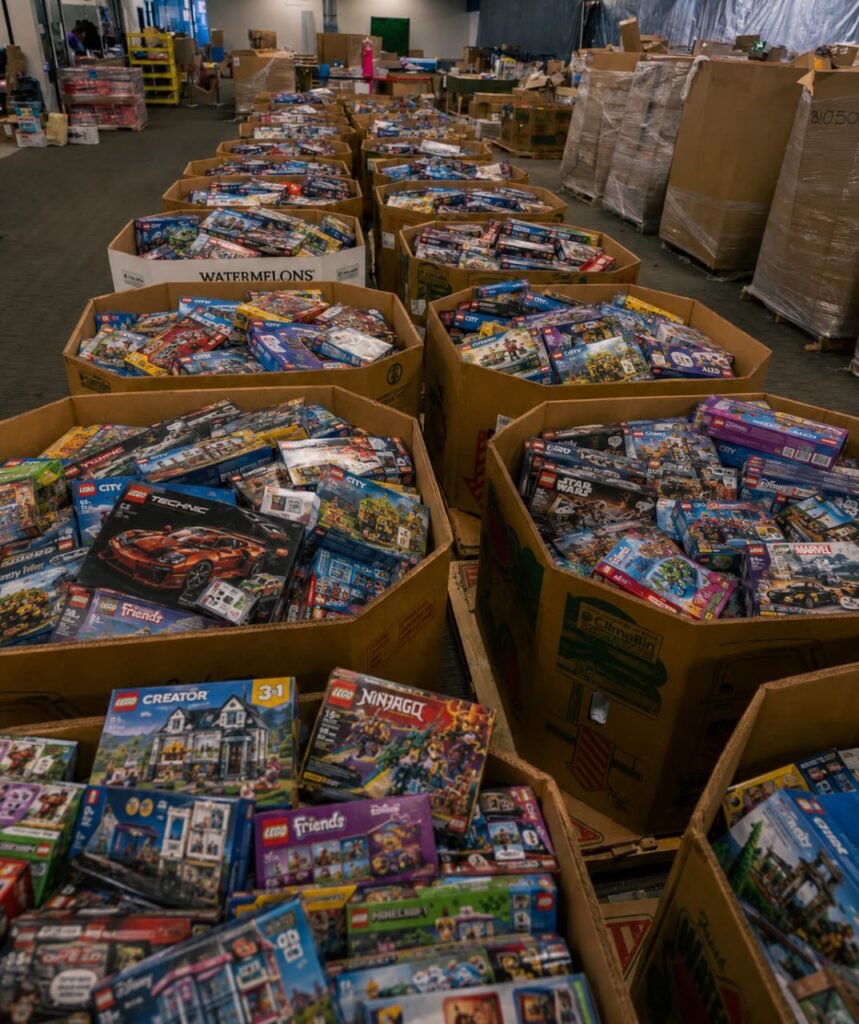

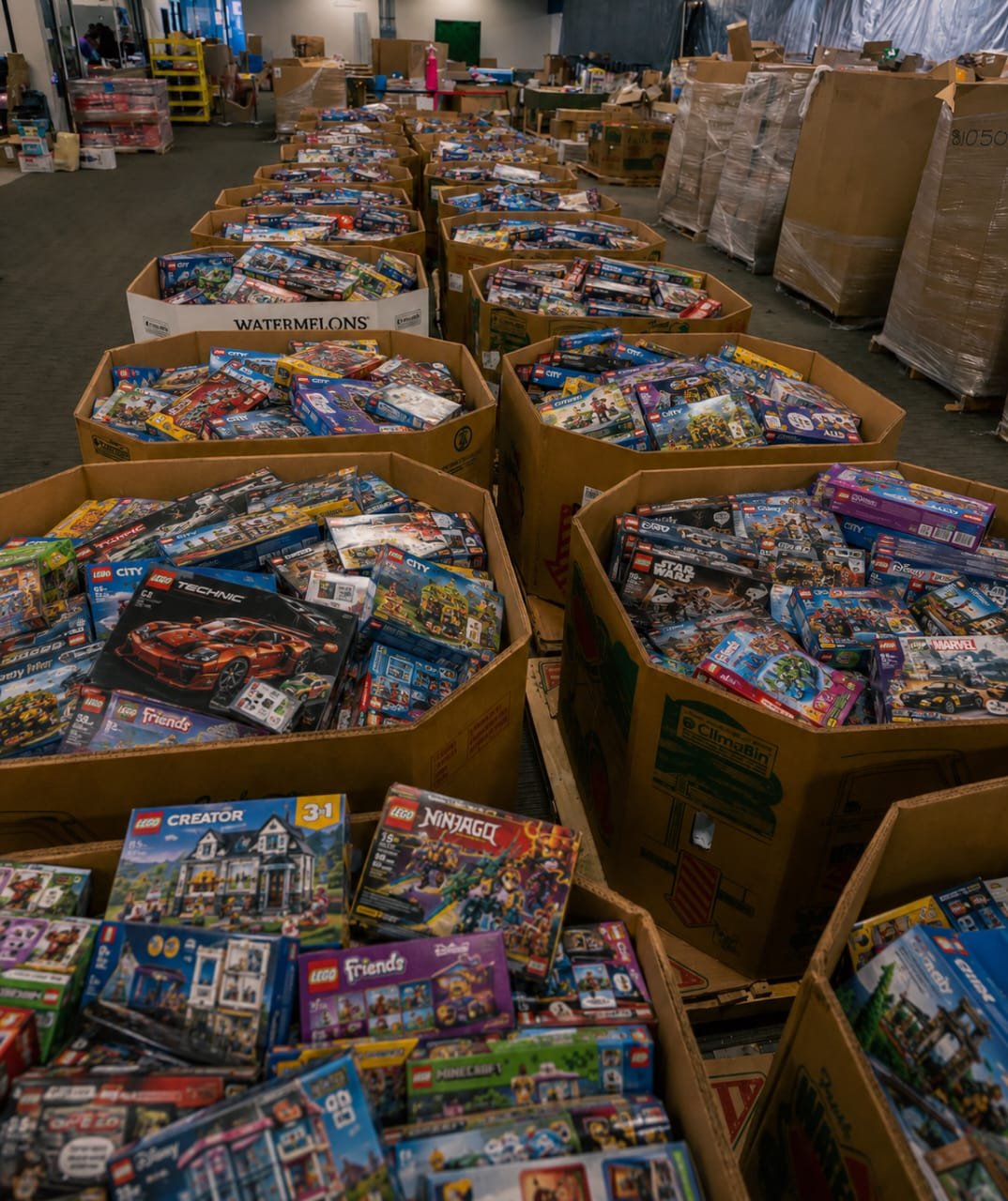
Knowing how to grade LEGO is the single skill that separates profitable pallet buyers from everyone else. Two resellers can buy identical pallets, and the one who grades accurately will earn 30–50% more — because grading tells you what each set is genuinely worth, which channel it belongs on, and which items deserve individual listings instead of the bulk pile.
This is the exact grading system experienced UK resellers use, built from processing hundreds of LEGO liquidation pallets. It takes about ten minutes per pallet section once you’ve done it twice. loose LEGO value
The Four LEGO Condition Grades
Every item in a liquidation pallet falls into one of four grades. Learn these first — everything else in this guide hangs off them:
| Grade | What It Means | Typical Resale Value |
|---|
| A — Sealed | Box factory-sealed, tape intact, no crushing | 60–80% of RRP |
| B — Open-box, complete | Box opened, contents untouched or built once, all pieces present | 40–60% of RRP |
| C — Used, complete | Built and played with, complete or 99% complete | 25–40% of RRP |
| D — Loose / incomplete | Mixed bricks, part-sets, anything unverifiable | £10–£20 per kg |
The golden rule of how to grade LEGO: never guess a grade upward. A “probably complete” set listed as complete earns you a return and a bad review. Grade it down, price it honestly, and let the buyer be pleasantly surprised.
How to Check Whether a Set Is Complete
Completeness is where Grade B and C sets are won or lost. Work through this in order:
- Find the set number. It’s printed on the box and the front of the instruction booklet — a 5-digit number (occasionally 7). No box or instructions? The set is Grade D by default.
- Look up the official piece count. Enter the set number on Brickset, the free LEGO database, and note the piece count and release year.
- Do the weight check. Built sets that feel suspiciously light usually are. Experienced resellers weigh a built set against the official set weight — a gap of more than about 5% means missing pieces.
- Spot-check the expensive parts. Large moulded pieces, motors, battery boxes, light bricks and licensed printed parts disappear first. If they’re present, the rest usually is.
- Check the instructions and stickers. Creased instructions and pre-applied stickers tell you the set was built — that’s fine, but it confirms Grade C, not B.
A set that passes all five checks can be listed as complete with confidence. A set that fails one gets priced as “near complete” with the gap disclosed — honesty here is what protects your seller ratings.
Retired Sets: The Hidden Gold in Every Pallet
Grading for condition is only half the job. The other half is grading for retirement status — and this is where pallets quietly overdeliver.
When LEGO retires a set, production stops forever, and secondary market prices typically climb 20–50% within a year or two. Liquidation pallets regularly contain retired stock that the original retailer wrote off at clearance prices — which means you can buy a set at below RRP that the market now values above it.
How to check: look up the set number on Brickset — retired sets show their retirement year. Then check current sold prices before you even think about listing at RRP. We covered a real example of this in are LEGO liquidation pallets worth buying — a £40 RRP set that retired last year can quietly be worth £90 today.
The strongest retirement candidates are licensed themes (Star Wars, Harry Potter, Marvel, Disney), large display sets, and anything aimed at adult builders. City and Friends sets retire too, but appreciate more slowly.
Grading Minifigures: Small Plastic, Big Money
Minifigures are the highest value-per-gram item in any LEGO pallet, and the most commonly misgraded. Here’s what to check: LEGO minifigures
- Cracks. Hold the torso up to the light and check under the arms and around the legs — hairline cracks kill value.
- Print condition. Face and torso prints should be sharp. Rubbed or faded prints drop a figure a full grade.
- Correct accessories. A licensed figure with its original weapon or wand is worth noticeably more than the bare figure.
- Identification. Unsure which figure you’re holding? Brickset lists minifigures by set, so the set number usually identifies them.
Licensed minifigures routinely sell for £5–£30 each. A single rare figure pulled from a loose pile can repay a serious chunk of the pallet — treat every minifigure as an individual listing, never bulk filler.
Grading Loose LEGO
Loose bricks are Grade D stock, but graded properly they’re a steady revenue line rather than dead weight:
- Wash and dry everything. Warm water, a drop of washing-up liquid, air-dry overnight. Clean bricks photograph better and sell faster.
- Sort by colour or type. Sorted kilo bags outsell random mixed bags — builders, schools and craft groups buy by colour and buy repeatedly.
- Check for yellowing. White and light-grey bricks yellow with sun exposure. Yellowed bricks go in a cheaper “played-with” bag — don’t mix them into premium sorted lots.
- Verify it’s real LEGO. Genuine bricks have the LEGO logo stamped on every stud. Fake bricks feel lighter, clutch poorly, and must never be mixed into genuine stock — one bag of fakes destroys buyer trust.
A Real Grading Session, Start to Finish
Here’s how a typical 30-minute triage runs on one section of a pallet. Sealed boxes go straight to the Grade A pile with a quick tape check. Opened boxes get the five-step completeness check — about two minutes each once you’re practised. Minifigures go into a separate tray for individual identification later. Everything left gets weighed into kilo bags. Thirty minutes of this tells you the pallet’s realistic total value before you’ve listed a single item — and it’s the difference between pricing from evidence and pricing from hope.
Selling the graded stock is the next skill — our guide on how to resell liquidation toys in the UK covers exactly which channel suits each grade.
Common Grading Mistakes
Even resellers who know how to grade LEGO slip on these:
- Grading up to justify the purchase price. The pallet cost is sunk — grade what’s actually there.
- Skipping the weight check on big sets. Missing a £20 piece in a £70 set quietly erases the item’s profit.
- Bulk-listing minifigures. Ten figures in one £15 listing instead of ten individual £8 listings is £65 thrown away.
- Mixing conditions in photos. Photograph each grade separately — mixed photos make buyers assume the worst.
The Bottom Line
Learn how to grade LEGO properly and liquidation pallets stop being a lottery. Four grades, a five-step completeness check, a retirement lookup, and honest listings — that’s the whole system. Everything else is repetition.
Want to practise on stock that’s already been sorted by people who grade for a living? Browse our current LEGO pallets UK and LEGO liquidation pallets stock, or widen the search across our toy pallets UK range. Questions about what’s on the next pallet? Contact our trade desk and we’ll tell you exactly what’s coming in.
FAQs: Grading LEGO From Liquidation Pallets
How can I tell if a LEGO set is complete?
Find the set number on the box or instructions, look up the official piece count on Brickset, then weigh the built set against its official weight — a gap over roughly 5% indicates missing pieces. Spot-check large moulded parts, motors and printed pieces, as those disappear first.
What are retired LEGO sets and why do they matter?
Retired sets are models LEGO has stopped producing. Because supply is permanently fixed while demand continues, retired sets typically appreciate 20–50% within a year or two — and liquidation pallets regularly contain retired stock priced below its current market value. sealed LEGO sets
How much is loose LEGO worth per kg?
Clean, sorted loose LEGO typically sells for £10–£20 per kilo in the UK, depending on colour sorting and condition. Mixed unwashed bricks sit at the bottom of that range; washed bricks sorted by colour or type sell at the top, often to repeat bulk buyers.
How do I know if LEGO bricks are genuine?
Genuine LEGO has the brand logo stamped on every stud. Fake bricks feel lighter, have weaker clutch power, and often show rougher moulding. Never mix non-genuine bricks into genuine lots — even one bag of fakes can destroy a seller’s reputation.
Is it worth learning how to grade LEGO before selling?
Absolutely. Graded listings — sealed, complete, near-complete or loose by kilo — consistently outsell ungraded ones because buyers trust precise descriptions. Resellers who grade typically earn 30–50% more from the same pallet than those who list everything as one mixed job lot.