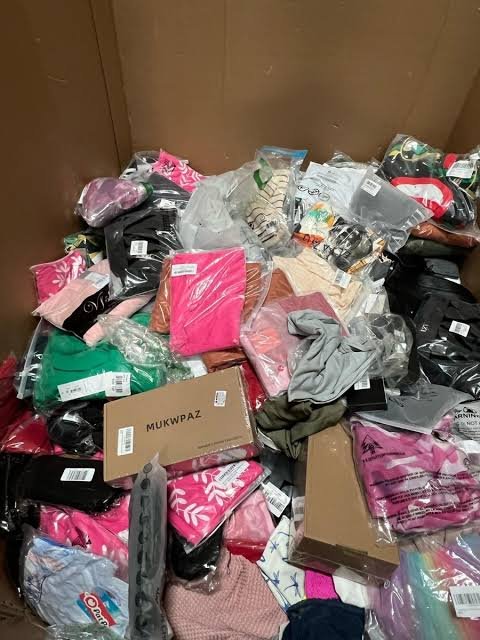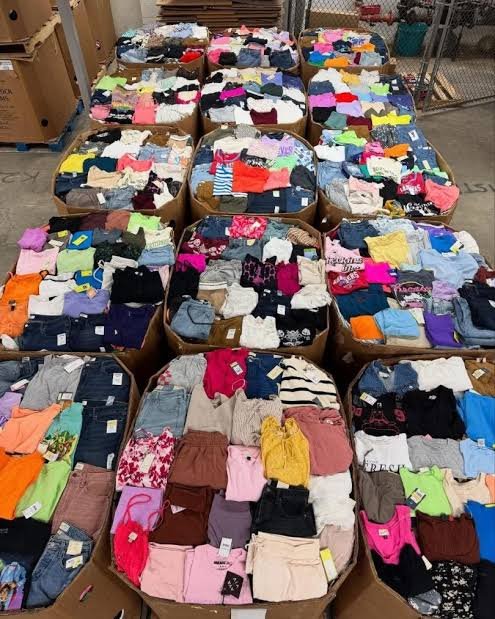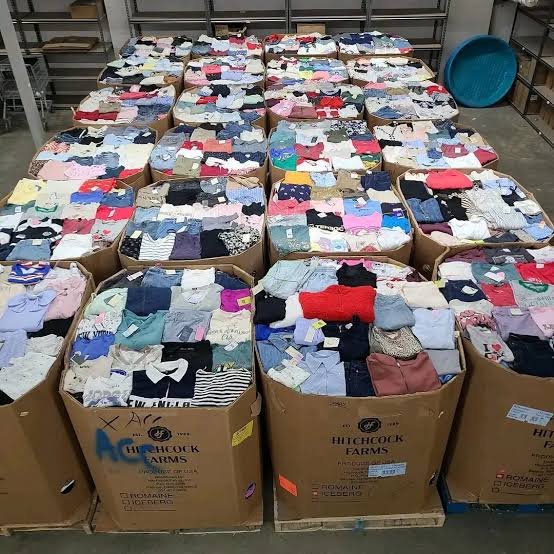

For buyers researching wholesale clothing pallets UK, the main challenge is working out whether the garments, sizes, brands and conditions will suit their customers. A pallet may contain mixed clothing, branded apparel, seasonal fashion or accessories, but the exact balance can vary between lots.
Some stock may be new overstock with tags, while other pallets may include customer returns, clearance garments or mixed-condition items. Buyers therefore need to consider sizing, labels, visible wear, hygiene, seasonality and the time required to photograph and list each product.
This guide explains the types of clothing stock buyers may encounter, how to assess a pallet and what to check before purchasing. It also covers manifests, authenticity, total costs and resale channels, helping UK boutiques, online sellers and market traders choose apparel inventory that fits their business.
Understanding Wholesale Clothing Pallets
Wholesale clothing pallets are bulk lots of garments or related fashion products sold through wholesale and liquidation channels. A pallet may focus on one clothing category or contain a varied mixture of styles, sizes and seasons.
Common stock descriptions include:
- Overstock: Excess garments that have not sold through normal retail channels.
- Shelf pulls: Clothing removed from shop displays during range changes or seasonal updates.
- Clearance stock: End-of-line, discontinued, seasonal or slow-moving apparel.
- Customer returns: Garments returned by shoppers, potentially including unworn, tried-on, used or damaged items.
- Mixed-condition stock: Clothing with varying signs of wear, packaging or condition.
The phrase wholesale clothing pallets UK describes the purchasing format and market, not a universal condition grade. “New with tags”, “open packaging”, “used” and “customer returns” should not be treated as interchangeable descriptions.
Clothing stock can also vary by size and style. A pallet described as mixed apparel does not necessarily contain an even size distribution or equal quantities of each garment type.
Our guide to customer return pallets explained covers returned-stock risks. Buyers can also compare return pallets with clearance pallets when deciding which inventory source suits their operation.
Why Wholesale Clothing Pallets UK Matters to UK Buyers
The wholesale clothing pallets UK category can provide inventory for fashion boutiques, online sellers, market traders, discount shops and independent retailers. Clothing can be sold individually, in coordinated bundles or through local sales channels.
Compared with bulky merchandise, garments can be relatively straightforward to store. However, they often require substantial processing before resale.
A reseller may need to:
- Sort products by category, size and season
- Inspect labels, seams, fastenings and fabric
- Check for stains, odours, marks and other damage
- Clean suitable garments according to their care instructions
- Record measurements where sizing is unclear
- Photograph each item and any defects
- Research brands and comparable selling prices
Size distribution also affects saleability. A pallet containing sizes or styles that do not match your customer base may sell slowly, even if the garments are in good condition.
Entrepreneurs planning a fashion resale business can read about starting a liquidation pallet business before ordering larger quantities.
Types of Clothing and Apparel Stock
Exact garments, brands, sizes and quantities depend on the individual lot. The following categories illustrate what buyers may encounter.
Mixed clothing
Mixed clothing can include tops, trousers, dresses, knitwear, jackets, activewear and other garments. The range may cover different customer groups, styles and seasons.
Mixed stock can provide variety, but it usually requires more sorting and individual product research than repeated lines.
Branded apparel
Branded clothing may appeal to buyers with an established fashion audience. Check labels, style information and available product identifiers before researching prices.
A brand name alone does not establish authenticity or resale value. Buyers should use appropriate authentication checks and understand any platform rules or brand restrictions that apply to their intended sales channel.
Seasonal fashion
Seasonal stock can include winter coats, knitwear, summer clothing, occasionwear or products associated with particular retail periods.
Buying out-of-season apparel may require longer storage. Consider whether you have the space and cash flow to hold products until customer demand increases.
Footwear and accessories
Fashion pallets may overlap with footwear or accessories. Buyers can compare wholesale shoes and trainers pallets and designer handbag pallets for related categories.
Footwear requires size and pair checks, while handbags and branded accessories may need additional authenticity and condition assessment.
Marketplace and mixed retail stock
Amazon liquidation pallets may provide a broader mixed-merchandise option. Buyers can also read whether Amazon return pallets are worth buying when assessing this stock route.
For dedicated apparel inventory, review clothing and apparel pallets and confirm current stock details.
You can browse clothing categories on Amazon UK or explore footwear categories on Amazon UK for general product research. These pages do not establish wholesale prices, liquidation values or pallet contents, and they do not imply affiliation with Prime Source Pallets or any fashion brand.
How to Choose the Right Clothing Pallet
Match the garments to your customers
Consider your buyers’ preferred sizes, styles, brands and price points. A pallet suited to a discount shop may not be appropriate for a curated online boutique.
Assess the size and style mix
Ask whether size information is available. Do not assume that a mixed pallet contains a balanced size curve or that every popular size will be included.
If detailed information is unavailable, allow for slower-selling sizes and styles in your valuation.
Check seasonality
Make sure the stock fits your intended selling period. Out-of-season clothing can take longer to sell and may require additional storage.
Compare manifested and unmanifested stock
A manifest may provide garment descriptions, brands, sizes or expected quantities. This can help with product research, although it does not necessarily confirm condition.
Unmanifested stock offers less visibility and requires more cautious assumptions.
Calculate the total landed cost
Use this calculation:
Purchase price + applicable taxes and fees + delivery + sorting + cleaning + packaging + selling costs = total inventory cost
Estimate revenue using condition-specific prices and allow for garments that may not be suitable for normal resale.
The guide to buying wholesale pallets and where to buy liquidation pallets provide additional sourcing checks.
What to Check Before Purchasing
Before ordering clothing liquidation pallets UK, confirm:
- Stock source: Does the pallet contain returns, overstock, shelf pulls, clearance apparel or mixed stock?
- Product mix: What garment types, customer groups or fashion categories are expected?
- Sizing: Is any size or quantity information available for the specific lot?
- Condition: Are garments new with tags, unworn, used, damaged or mixed-condition?
- Labels and packaging: Are care labels, brand labels and original tags present where expected?
- Cleaning requirements: Can suitable garments be cleaned according to their care instructions?
- Authenticity: Do you have appropriate checks for branded or higher-value products?
- Seasonality: Will the stock suit your current customers, or must it be stored?
- Total costs: Have you included delivery, cleaning, packaging, listing and selling expenses?
- Resale channels: Do you have suitable buyers for the main sizes, styles and condition grades?
How to Buy Wholesale Clothing Pallets UK Stock from Prime Source Pallets UK
Buyers can browse current pallet listings to review available clothing and wholesale categories. Options may include individual pallets, multiple-pallet orders and larger wholesale quantities depending on current stock. bulk clothing pallets
Before purchasing:
- Select an apparel category suited to your customers.
- Read the listing and stock description carefully.
- Confirm current availability, condition, sizing and manifest information.
- Ask whether photographs represent the exact pallet or a broader stock category.
- Provide your postcode and required quantity when requesting delivery information.
- Explain any access or unloading restrictions.
- Confirm the applicable order and delivery arrangements before proceeding.
Read about Prime Source Pallets for an overview of the business and its wholesale liquidation focus. For current clothing stock and purchasing details, contact Prime Source Pallets directly.
Delivery Across the UK
The official pallet shipping policy describes delivery options across many areas of England, Scotland and Wales. Northern Ireland, certain remote locations, islands and destinations requiring specialist transport may be subject to additional charges or longer delivery periods.
Delivery costs can depend on:
- Destination postcode
- Number of pallets
- Pallet dimensions and weight
- Inventory category
- Vehicle requirements
- Residential or commercial delivery arrangements
Unless otherwise agreed, pallet deliveries may be kerbside. Buyers should provide suitable vehicle access, safe unloading space and a secure delivery point. Clothing should be moved into clean, dry storage promptly after arrival.
Delivery dates and time windows should be treated as estimates unless specifically confirmed as guaranteed arrangements.
Photograph the pallet before removing its wrapping and check for visible transport damage, moisture or torn packaging. Contact the supplier promptly with supporting photographs if delivery damage is visible.
Practical Tips for Wholesale Buyers and Resellers
- Sort by category, size and season. Create an organised inventory system before listing products.
- Inspect every garment. Check seams, fastenings, labels, fabric, stains, odours and visible wear.
- Follow care instructions. Clean only suitable products using methods appropriate to the garment.
- Record useful measurements. Provide measurements where they help buyers assess fit, particularly when labels are missing or sizing varies.
- Photograph accurately. Show labels, fabric details, included accessories and any defects.
- Choose channels by product. Higher-value branded items may suit individual listings, while compatible lower-value garments may work as bundles.
- Track sales by category. Record which sizes, brands and product types sell quickly or remain in storage.
F. Five FAQs
What clothing can be found in wholesale clothing pallets?
Wholesale clothing pallets may contain mixed garments, branded apparel, seasonal fashion and related accessories. Exact product types, sizes, brands, quantities and conditions vary between lots, so buyers should review the listing and any available manifest.
Are clothes in wholesale pallets always new with tags?
No. Stock may include new overstock, clearance products, customer returns or mixed-condition garments. Some items may have tags, while others may show signs of handling or wear. Buyers should confirm the condition description before purchasing.
What sizes are included in a mixed clothing pallet?
Size distributions vary and should not be assumed to be balanced. A manifest may provide sizing information where available, but unmanifested stock offers less visibility. Buyers should allow for sizes or styles that may take longer to sell.
Where can I resell clothing from wholesale pallets?
Suitable channels may include online fashion marketplaces, general marketplaces, independent websites, boutiques, discount shops, market stalls and local sales. The best option depends on the garment, brand, condition and target customer. Platform rules and brand restrictions should also be checked.
How should branded apparel be assessed before resale?
Check labels, product identifiers, workmanship and available documentation, then use appropriate authentication procedures for higher-value items. Research comparable condition-specific prices and do not treat a visible brand label alone as proof of authenticity or resale value.
Conclusion
Wholesale clothing pallets can provide mixed garments, branded apparel and seasonal fashion for a range of resale businesses. Their suitability depends on sizes, condition, customer demand and the time required to sort, clean, photograph and list the stock. wholesale apparel pallets
Before buying wholesale clothing pallets UK, confirm the available stock information, calculate the full landed cost and prepare an organised garment-inspection process. Explore the current Prime Source Pallets UK listings or contact the business to discuss clothing stock, order quantities and delivery arrangements for your postcode.