
Wholesale Detergent Pallets UK: Laundry and Cleaning Products in Bulk
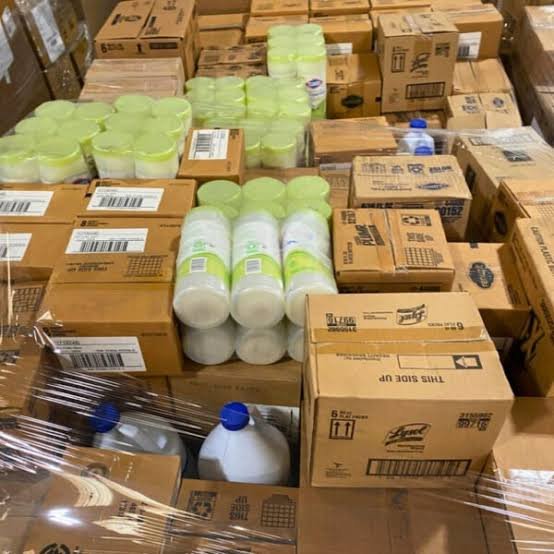
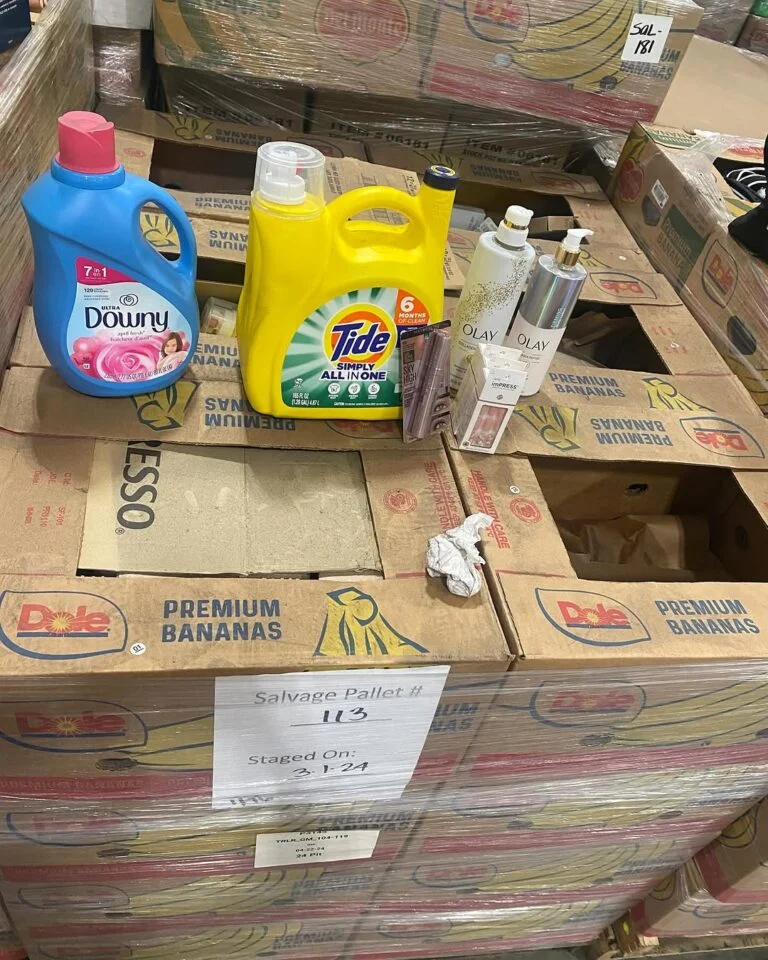
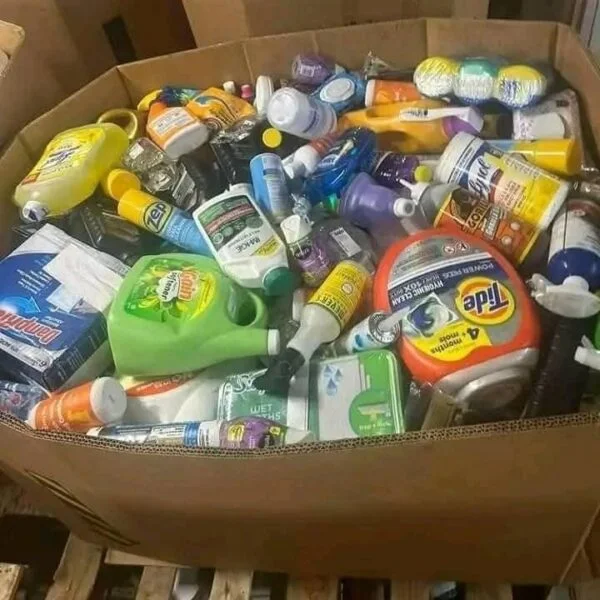
Buying wholesale detergent pallets UK stock can help retailers, market traders and resellers source laundry products and household cleaners in bulk. A pallet may include washing powder, liquid detergent, fabric conditioner, surface sprays or other cleaning merchandise. The exact contents depend on the stock source and individual listing.
Cleaning products often sell in practical retail formats, but bulk stock requires careful handling. Heavy containers, damaged caps, leaking liquids and unreadable labels can affect both safety and resale value. Buyers should also consider storage space, delivery costs and the time needed to inspect every case.
This guide explains what detergent and cleaning pallets may contain, how to assess branded products and what to check before purchasing. New buyers should also understand the wider process of buying wholesale pallets in the UK before choosing a load.
Understanding Wholesale Detergent Pallets UK
Wholesale detergent pallets are bulk lots of laundry or cleaning merchandise sold together. The stock may come from retail overstock, clearance ranges, shelf pulls, customer returns or mixed liquidation inventory.
Overstock may contain unused products, although outer cases can still show wear. Clearance stock may include discontinued variants or older packaging. Customer returns need closer inspection because seals may be broken, containers may be partly used and multi-packs may be incomplete.
Understanding customer return pallets helps buyers plan for these checks. It is also useful to compare return and clearance pallets rather than treating every discounted load as equivalent.
A category name does not confirm the brands, sizes, quantities or condition inside a pallet. Buyers should review the product description and available manifest before calculating potential value.
Why Detergent and Cleaning Pallets Matter to UK Buyers
Laundry and cleaning products cover everyday household tasks. This makes the category relevant to discount shops, convenience retailers, market traders, cleaning-supply sellers and selected online businesses.
For buyers comparing wholesale detergent pallets UK options, bulk purchasing can provide access to several product lines through one order. A focused detergent pallet may be easier to research than mixed household stock, while a broader cleaning pallet can offer more product variety.
However, heavy stock can be expensive to handle and deliver. Liquids also create a risk of leaks that can damage surrounding boxes and labels. A low pallet price does not automatically make the load commercially suitable. Buyers need to assess the full landed cost and realistic quantity of sellable products.
Types of Detergent and Cleaning Stock
Laundry Detergent
Laundry detergent pallets UK buyers encounter may include powder, liquid, capsules, tablets and concentrated formulations. Packages can range from single retail units to larger cases or multi-packs.
Powders should be checked for moisture damage and torn boxes. Liquids need intact caps, seals and containers. Capsules and tablets should remain in their original packaging with the required warnings and instructions visible.
Relevant inventory may be listed under detergent pallets, depending on current availability. Buyers can browse laundry detergent on Amazon UK to understand common retail formats, but retail search pages do not establish pallet contents or wholesale values.
Washing and Laundry Care Products
Bulk washing products UK stock may also include fabric conditioner, stain removers, colour-care products and laundry accessories. These items should be sorted by product type rather than treated as interchangeable detergent.
Check variant names, container sizes and recommended usage. Gift packs or bundled products should be inspected for missing items. Where date information is shown, record it during sorting and follow the manufacturer’s guidance.
Keep laundry accessories separate from leaking chemicals. Even a small spill can damage packaging and make otherwise unaffected stock harder to sell.
Household Cleaners
Cleaning product pallets UK buyers purchase may contain surface sprays, bathroom cleaners, floor products, descalers, wipes, cloths and other household supplies. Some loads combine several categories, while others focus on one product line.
Check bottles, triggers and caps for cracks or poor closure. Wipes should remain properly sealed so that they do not dry out. Aerosols and other specialist containers need appropriate handling and storage in line with their labels.
Current listings may include cleaning product pallets. For general category research, household cleaning products on Amazon UK can illustrate retail formats without confirming liquidation availability or pricing.
Branded Cleaning Products
Branded cleaning products wholesale stock may include familiar product names, but buyers should confirm exactly what the listing offers. Do not assume that every item is branded or that all variants belong to the same range.
Record the brand, product name, size and quantity for each sellable unit. Check that packaging and labels are consistent and legible. Be cautious with stock that cannot be identified clearly.
Supplier checks remain important when buying branded goods. Guidance on choosing wholesale pallet suppliers can help buyers assess business information, stock descriptions and purchasing terms. Brand names alone do not guarantee demand, authenticity or resale income.
How to Choose Suitable Cleaning Stock
The right wholesale detergent pallets UK buyers can choose will depend on their storage facilities, sales channels and ability to handle liquids safely. Start by deciding whether you need a focused laundry load or a broader cleaning-stock pallet.
Buyers interested in other home categories can compare wholesale household pallets. Those considering wider product mixes should understand how mixed pallets may differ from category-specific inventory.
Before ordering, consider:
- The balance between liquids, powders, wipes and accessories
- Package sizes and total shipment weight
- Whether products are returns, overstock or clearance stock
- The availability and detail of a manifest
- Storage conditions and spill-containment arrangements
- Delivery and unloading requirements
- The cost of packaging and posting individual orders
Heavy liquids may be easier to sell through local retail channels than through parcel delivery. Compact accessories may be simpler to post, but their value and demand still need research.
What to Check Before Purchasing
A cleaning pallet should be assessed using realistic sellable quantities rather than its total unit count or estimated retail value.
Work through these checks:
- Stock condition: Confirm whether products are new, returned, untested or mixed condition.
- Product mix: Check which laundry and cleaning categories are included.
- Package sizes: Identify the exact unit size where information is available.
- Date information: Check expiry, best-before or other relevant dates where shown.
- Manifest limitations: Establish whether quantities and conditions are estimated.
- Total cost: Include delivery, sorting, packaging, selling fees and any applicable taxes.
- Damage allowance: Do not assume that every container will arrive sealed and saleable.
Research realistic prices for the exact product and size. A large container, a travel-size product and a multi-pack should not be valued as equivalent units.
Packaging, Labels and Safe Storage
Packaging checks are essential when the pallet arrives. Isolate leaking or swollen containers and inspect surrounding stock for contamination. Do not mix cleaning chemicals or decant products into unlabelled containers for resale.
Check that important information remains readable, including:
- Product name and intended use
- Usage and dilution instructions
- Warnings and hazard information
- Ingredients or other required label details
- Batch or date information where present
- Container size and unit count
Products with serious leaks, missing labels, contamination or unsafe packaging should not be treated as normal resale stock. Follow manufacturer instructions and applicable UK product-safety requirements.
Store liquids upright in a suitable area with protection from unsuitable heat, frost and direct sunlight where required. Keep cleaning products secure and away from children, food and incompatible materials. Stock awaiting inspection should be separated from inventory already approved for sale.
Processing and Reselling Bulk Cleaning Products
Create distinct areas for unpacking, inspection, approved stock and damaged goods. Photograph the delivery before removing the wrapping where possible, then check each case and container.
Record product names, sizes, quantities, condition and date information. This makes it easier to create accurate listings and track which lines sell. Clean unaffected outer packaging only where appropriate, without removing important labels.
Local shops, market stalls and cleaning-supply outlets may suit heavier stock. Online sales can work for suitable products, but buyers should check current marketplace rules and parcel-carrier restrictions before listing liquids or chemicals.
New resellers can also review the broader steps involved in starting a liquidation pallet business. Actual sales and inspection records are more useful for future buying decisions than estimated retail totals.
How to Buy from Prime Source Pallets UK
Prime Source Pallets is a UK wholesale liquidation supplier serving resellers, retailers, online sellers and bulk buyers. Further details are available on the about Prime Source Pallets page.
When buying wholesale detergent pallets UK stock, review the current wholesale pallet listings and read the relevant description carefully. Confirm the stock category, condition, manifest information and delivery requirements before placing an order.
Availability can change, so ask about the specific lot. Keep working capital for delivery, storage, inspection and selling costs rather than committing the entire budget to inventory.
Delivery Across the UK
The official shipping policy states that Prime Source Pallets provides delivery options across many areas of England, Scotland and Wales. Northern Ireland, islands and some remote or specialist-transport locations may involve additional charges or longer delivery periods.
Delivery costs can depend on postcode, pallet quantity, dimensions, weight, inventory category, vehicle requirements and delivery type. Heavy detergent stock may require particular attention to shipment weight and unloading arrangements.
Pallet delivery may be kerbside unless otherwise agreed. Dates and time windows are estimates unless specifically guaranteed. Provide accurate access information and prepare a safe unloading area.
Inspect the pallet for crushed cases, leaks and other visible transport damage. Photograph affected areas where possible and move stock into suitable storage promptly.
Seven Practical Tips for Detergent Pallet Buyers
- Check the full landed cost. Heavy stock can make delivery an important part of the budget.
- Inspect seals before cases. A damaged outer case does not always mean every container is affected.
- Isolate leaks immediately. This helps limit damage to surrounding stock.
- Record exact variants and sizes. Accurate details support better pricing and listings.
- Keep original labels intact. Do not remove warnings or product information during cleaning.
- Plan suitable storage. Separate liquids, powders and stock awaiting inspection.
- Review unsaleable quantities. Use real results to guide your next purchase.
Conclusion
Wholesale detergent pallets UK inventory can provide a practical route to bulk laundry products, household cleaners and related washing supplies. The best results depend on careful stock selection, realistic cost calculations and thorough packaging checks.
Do not base a purchase on brand names or estimated retail value alone. Confirm the stock condition, plan for damaged items and arrange suitable storage before delivery. To discuss current detergent and cleaning stock, contact Prime Source Pallets.
F. Five FAQs
1. What products can detergent and cleaning pallets contain?
They may contain laundry powder, liquid detergent, capsules, fabric conditioner, stain removers, surface cleaners, wipes and other household products. Exact brands, sizes, quantities and conditions depend on the individual listing and available manifest.
2. Are detergent pallets new or customer returns?
They can contain overstock, clearance products, shelf pulls, customer returns or mixed-condition inventory. Buyers should confirm the stated stock type rather than assuming that every product is unused and fully sealed.
3. How should buyers check cleaning products after delivery?
Check containers for leaks, damaged seals, cracked caps, unreadable labels and missing components. Isolate affected products and inspect surrounding stock for contamination. Products with unsafe packaging or missing essential information should not be sold as normal retail stock.
4. Are branded cleaning products guaranteed in every pallet?
No. Brand names and product mixes vary between listings. Buyers should check the description and manifest, confirm the available brands and variants, and avoid assuming that every item on a mixed pallet is branded.
5. Does Prime Source Pallets deliver detergent pallets across the UK?
Prime Source Pallets provides delivery options across many areas of England, Scotland and Wales. Northern Ireland, islands and some remote locations may have additional charges or longer delivery periods, so buyers should confirm their postcode before ordering.