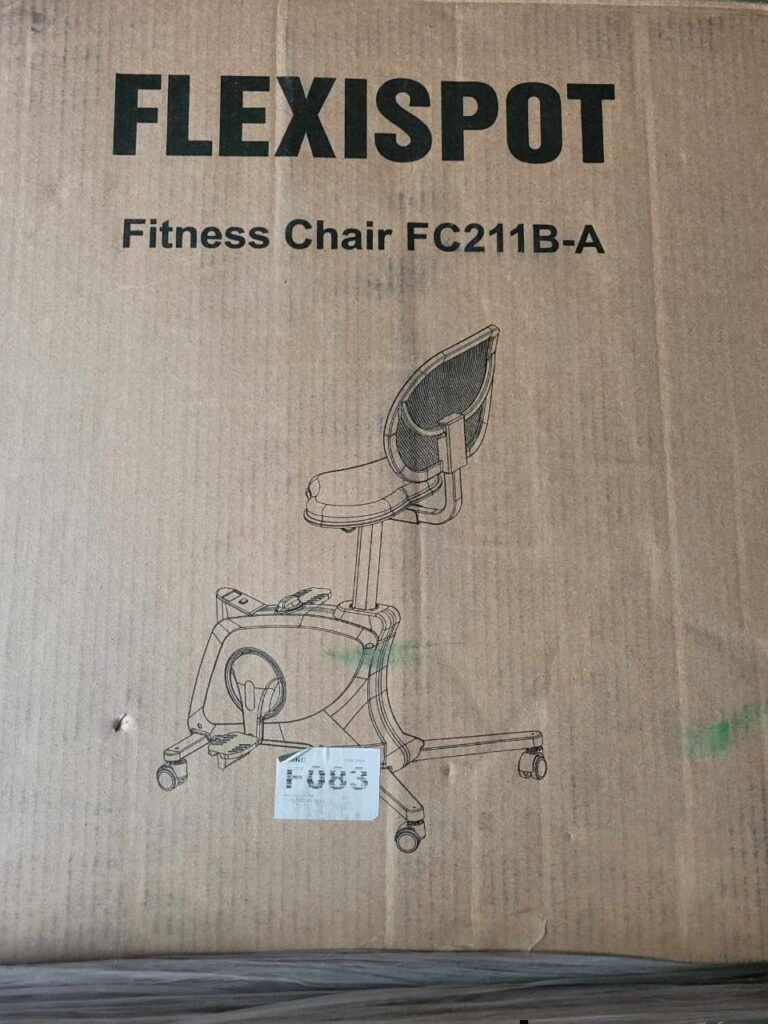

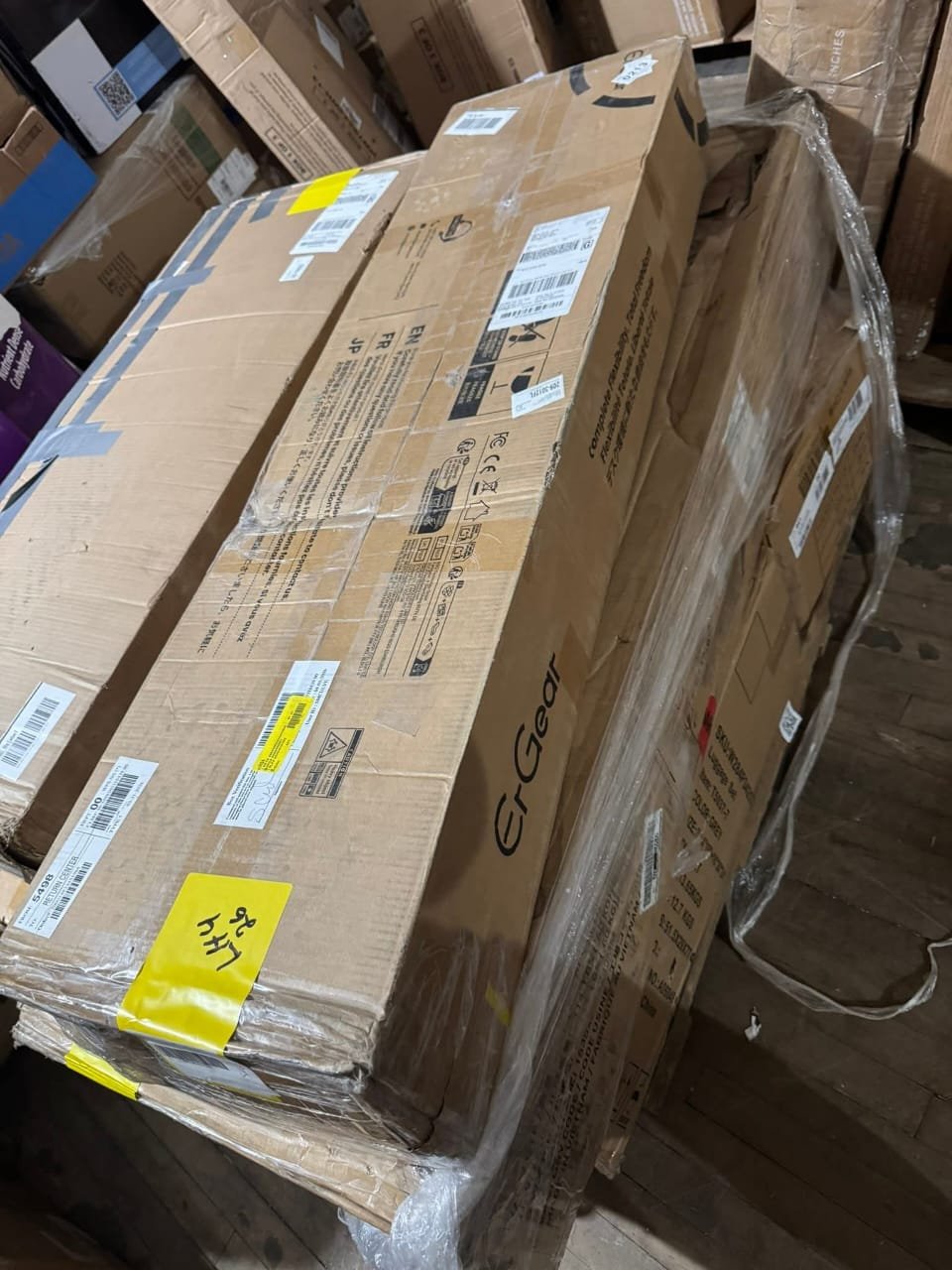
When searching for wholesale pallets UK, buyers will encounter everything from new overstock to untested customer returns. Although these lots can provide a practical way to source inventory, the lowest advertised price does not necessarily represent the best commercial value. Stock condition, product mix, delivery, processing time and realistic resale demand all affect the final result.
This guide explains the difference between general wholesale and liquidation pallets, the categories buyers may encounter and the checks to complete before ordering. It also outlines how to approach a purchase from Prime Source Pallets UK and what to consider when arranging delivery to England, Scotland, Wales or Northern Ireland. pallets for resale UK
Whether you supply a shop, sell online or trade at local markets, the aim is to help you choose stock that fits your operation rather than buying on speculation.
Understanding Wholesale and Liquidation Pallets
A wholesale pallet is a bulk quantity of merchandise grouped and sold as one lot. A buyer may purchase a single pallet, several pallets or a larger wholesale quantity, depending on the supplier and available stock.
Traditional wholesale inventory often consists of new products supplied in predictable quantities. Liquidation inventory is different. It usually enters the secondary market because a retailer, distributor or warehouse needs to clear it.
Both stock types can be sold by the pallet, which is why the terms frequently overlap within the wider wholesale pallets UK market.
Common liquidation stock descriptions include:
- Overstock: Excess products that have not sold through normal retail channels.
- Shelf pulls: Items removed from shop shelves during clearances, range changes or seasonal updates.
- Customer returns: Products previously purchased and returned by shoppers. Condition can range from unused and open-box to incomplete or faulty.
- Clearance stock: End-of-line, seasonal, discontinued or slow-moving merchandise being cleared from inventory.
- Mixed liquidation stock: Products from different sources or categories, sometimes with variable conditions.
A customer return pallets guide can help buyers understand why returned merchandise requires individual inspection. Comparing return pallets versus clearance pallets is also useful when deciding how much condition uncertainty your business can manage.
Some lots are manifested, meaning the supplier provides an inventory list. Others are unmanifested and sold without a complete item-by-item breakdown. A manifest can support buying calculations, but it should not automatically be treated as confirmation that every product is complete, working or suitable for immediate resale.
For a more detailed purchasing process, see the existing guide to buying wholesale pallets.
Why Wholesale Pallets UK Matters to UK Buyers
Buying by the pallet allows businesses to acquire a substantial assortment without sourcing every unit separately. This can suit retailers filling several product categories, online sellers looking for varied listings and market traders needing broad customer appeal.
However, wholesale purchasing does not automatically guarantee lower costs or stronger margins. The commercial result depends on what proportion of the stock is sellable, how quickly it sells and how much processing it requires.
Different buyers can approach the same pallet differently:
- A shop owner may prioritise products that suit existing customers.
- An online reseller may prefer compact items that are economical to post.
- A market trader may want mixed goods across several price points.
- An experienced technical seller may have the skills to test returned electronics or appliances.
- A local furniture seller may need storage, a suitable vehicle and delivery equipment.
New buyers who are still planning their operation can read about starting a liquidation pallet business before committing to larger quantities.
Types of Products and Stock Available
Available categories change as liquidation inventory moves through the market. Buyers should therefore use product listings as a starting point and confirm current details before purchasing.
Common pallet categories include: buy liquidation pallets UK
- Mixed merchandise:Amazon liquidation pallets may appeal to buyers seeking varied retail categories rather than one specialist product line.
- Electronics and appliances: Buyers can compare wholesale electronics pallets with small appliance pallets. These products may require accessory checks and appropriate testing.
- Tools and DIY products:Tool return pallets may suit hardware retailers and resellers who understand power tools, batteries, chargers and accessories.
- Toys and games:Wholesale toy pallets can be relevant to toy shops, market traders and seasonal sellers. Product completeness and safety should be assessed before resale.
- Clothing and fashion:Clothing and apparel pallets may require sorting by size, season, style and condition.
- Furniture and bulky goods:Furniture liquidation pallets require more storage space and a practical plan for local delivery or collection.
Retail category pages can help buyers understand product types and terminology. For example, you can browse household products on Amazon UK or explore electronics examples on Amazon UK. These pages illustrate retail product categories only; they do not establish liquidation values, wholesale prices or stock availability. Prime Source Pallets is not presented as affiliated with or endorsed by Amazon.
How to Choose the Right Pallet or Stock
Match the category to your sales channel
Start with products you already understand. Product knowledge makes it easier to recognise missing parts, assess condition and set realistic prices.
Consider where each item will be sold before ordering. Small products may suit online marketplaces, while bulky goods may be more practical through a shop or local collection.
Compare manifested and unmanifested lots
A manifested lot provides more information for pre-purchase research. An unmanifested lot involves greater uncertainty because its precise contents are not fully listed.
New buyers may find a clearly categorised or manifested pallet easier to evaluate. Even then, allow for condition variation where the stock includes returns.
Calculate the total landed cost
Do not compare pallets using only their advertised purchase prices. Include every relevant expense:
Pallet price + applicable taxes and fees + delivery + handling + testing + packaging + selling costs = total inventory cost
Divide that figure by the number of realistically sellable items, not simply the total number of products received.
Choose a manageable order size
Storage, working capital and processing capacity should influence order quantity. A large load can create difficulties if products take longer than expected to inspect or sell.
Buyers comparing supply options can also review where to buy liquidation pallets before selecting a supplier and stock category.
What to Check Before Purchasing
Complete these checks before confirming an order:
- Stock condition: Establish whether the lot contains returns, overstock, shelf pulls, clearance goods or mixed-condition merchandise.
- Manifest availability: Ask whether an inventory list is supplied and what information it contains.
- Product mix: Check whether the pallet focuses on one category or contains general merchandise.
- Packaging: Allow for opened, worn or damaged retail packaging where relevant.
- Testing requirements: Plan suitable inspection and safety procedures, particularly for electrical products, tools and toys.
- Storage: Confirm that you have dry, secure space for the entire load.
- Transport and unloading: Check vehicle access, unloading space and whether equipment or additional assistance will be needed.
- Total costs: Include delivery, packaging, testing, marketplace charges and possible disposal costs.
- Realistic resale value: Research achievable selling prices for comparable condition rather than relying on original retail values.
How to Buy Wholesale Pallets UK Stock from Prime Source Pallets UK
Prime Source Pallets UK presents individual pallets, multiple-pallet orders and larger wholesale options depending on current stock. Buyers can learn about Prime Source Pallets and its focus on supplying liquidation inventory to resellers, retailers and bulk buyers.
A sensible purchasing process is:
- Review the relevant product listing. Read the description carefully and do not assume that a photograph or category name confirms the exact contents of every load.
- Confirm current details. Ask about availability, stock condition, manifest information, order quantity and any product-specific questions.
- Request delivery information. Provide your postcode, pallet quantity and details of any access or unloading restrictions.
- Confirm the order and delivery arrangements. According to the shipping policy, processing follows confirmation of the order and applicable payment. Preparation can include inventory allocation, warehouse preparation and delivery booking.
For current stock and purchasing information, contact Prime Source Pallets before placing a large or multi-pallet order.
Delivery Across the UK
The official shipping policy provides delivery options across many areas of England, Scotland and Wales. Northern Ireland, certain remote locations, islands and areas requiring specialist transport may be subject to additional charges or longer delivery periods. Buyers should confirm availability using their postcode rather than assuming identical arrangements apply everywhere.
Delivery charges can depend on:
- Destination postcode
- Number, dimensions and weight of pallets
- Inventory category
- Vehicle requirements
- Residential or commercial delivery arrangements
- Additional services requested
Pallet deliveries may be completed as kerbside deliveries unless otherwise agreed. The delivery point should have suitable vehicle access, safe unloading space and enough room for the pallet.
Commercial premises should confirm whether a loading bay, forklift or other unloading facilities are available. Residential buyers should disclose narrow roads, restricted access or other limitations before transport is arranged.
Estimated dates and time windows should be treated as estimates unless a guaranteed arrangement has been specifically confirmed. On arrival, inspect the external wrapping and packaging, photograph visible transport damage and contact the supplier promptly with the relevant order information.
Practical Tips for Wholesale Buyers and Resellers
- Begin with a familiar category. Your existing product knowledge is valuable when grading and pricing mixed stock.
- Research sold prices. Current listings show asking prices, while completed sales can provide a better indication of achievable values.
- Keep working capital in reserve. Do not spend the entire budget on inventory and leave nothing for freight, packaging, testing or refunds.
- Create a processing workflow. Photograph the delivery, sort products, inspect each item, record its condition and allocate a stock reference.
- Use honest condition descriptions. Never describe an untested item as fully working or conceal known defects.
- Match products to suitable channels. Sell valuable items individually where appropriate and consider bundles for compatible lower-value stock.
- Measure actual performance. Record landed costs, sellable units, revenue, selling fees, refunds and the time taken to sell each pallet.
F. Five FAQs
What is the difference between wholesale pallets and liquidation pallets?
Wholesale pallets are bulk lots of merchandise. Liquidation pallets are specifically being cleared through secondary-market channels and may include returns, overstock, shelf pulls or clearance goods. Liquidation pallets are sold wholesale, but not every wholesale pallet contains liquidation stock.
Are wholesale liquidation pallets filled with new products?
Not necessarily. Some overstock or clearance lots may contain unused products, while customer return loads can include open-box, used, incomplete or faulty items. Always read the stock description and confirm the condition profile before buying rather than assuming everything is new.
Are manifested pallets better for beginners?
Manifested pallets are often easier for beginners to assess because they provide more inventory information. However, a manifest does not necessarily confirm product condition or resale value. Buyers should still research achievable prices and allow for inspection, testing and unsellable stock where relevant.
How much should I budget for my first pallet?
Set a budget covering more than the pallet itself. Include delivery, unloading, storage, packaging, testing, selling fees and working capital. The appropriate amount depends on the category, order size and your sales operation, so avoid relying on a universal starting figure.
Can Prime Source Pallets deliver to Northern Ireland?
The shipping policy lists Northern Ireland among locations that may require confirmation, specialist transport, additional charges or longer delivery periods. Contact the business with your postcode and pallet quantity to confirm current delivery availability and costs before ordering.
Conclusion
Wholesale and liquidation pallets can provide flexible sourcing options for UK retailers, market traders and online resellers. The strongest buying decisions are based on stock condition, product knowledge, landed costs, storage capacity and realistic resale demand—not estimated retail value alone.
When comparing wholesale pallets UK, start with a manageable order and choose inventory that suits your customers and processing capabilities. Explore the current Prime Source Pallets UK product range or contact the business to confirm available stock, purchasing details and delivery arrangements for your postcode.